One of the biggest mistakes businesses make is designing pages one at a time.
The homepage looks fantastic.
Then someone builds a landing page six months later.
A new service page gets added.
Someone else updates the blog.
Before long, the website feels like several different websites stitched together.
A design system prevents that from happening.
Design First. Build Second.
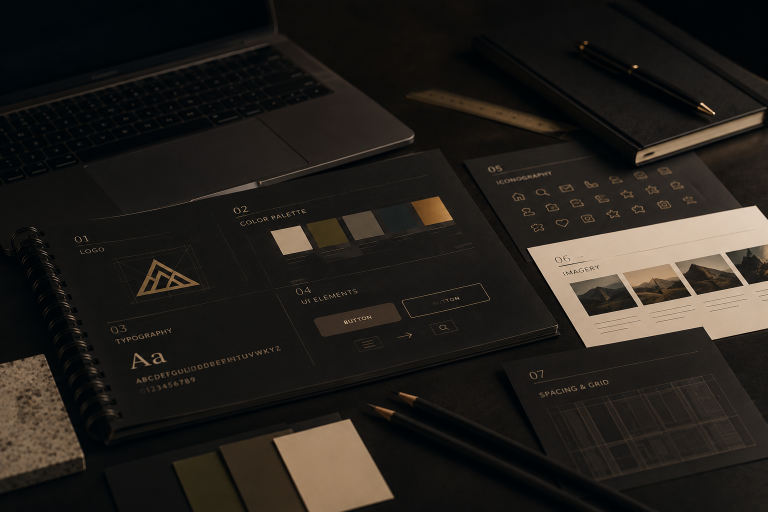
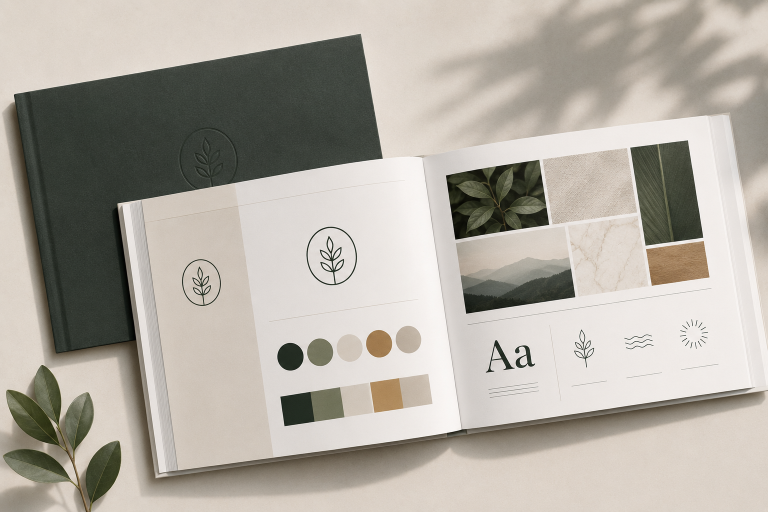
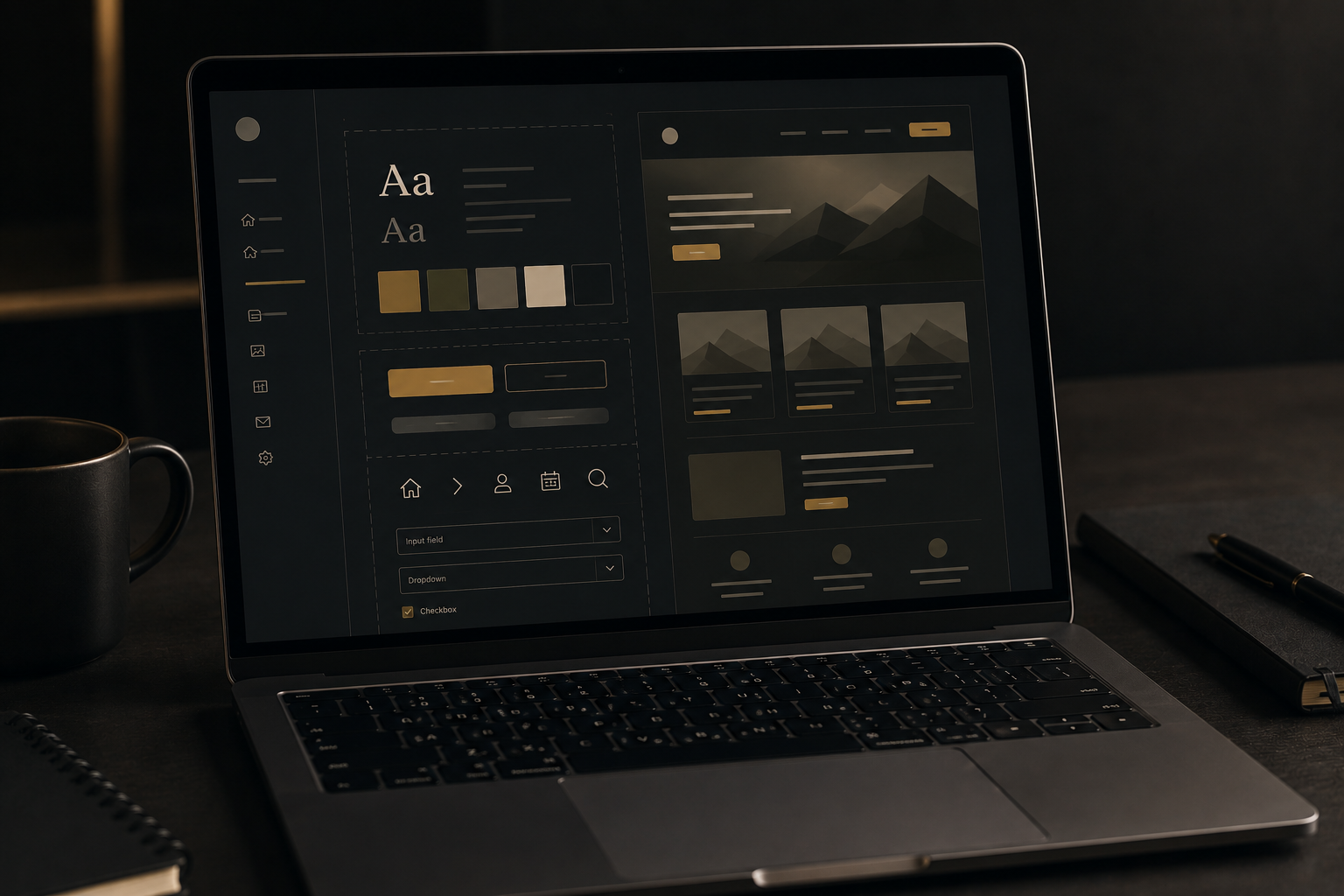
Rather than designing each page independently, designers first create the building blocks.
These include:
- Headers
- Buttons
- Cards
- Forms
- Navigation
- Icons
- Page layouts
- Typography
- Colors
Once these components are established, every new page becomes faster to build and easier to maintain.
Better for Designers
Instead of solving the same problems repeatedly, designers can focus on improving the user experience.
Every page starts from a proven foundation.
Better for Developers
Developers love consistency.
Reusable components mean cleaner code, faster updates, and fewer bugs.
Changing one button style can automatically update it across an entire website instead of requiring edits on dozens of pages.
Better for Your Business
The biggest benefit is long-term flexibility.
- Need a new landing page?
- Need to launch a new service?
- Need to redesign your homepage?
With a design system in place, those updates happen much more quickly because the pieces already exist.
Think Beyond Today
A website shouldn’t just solve today’s problems.
It should be built for where your business will be two or three years from now.
Design systems make that possible.
Final Thoughts
Great websites aren’t built page by page.
They’re built system by system.
When every element follows the same visual language, your website becomes easier to use, easier to maintain, and much easier to grow.
That’s the difference between designing a website—and designing a platform.